
Happy holidays from Midwest Building Performance! Having a get together in your home during the holiday season? Because lowering utility bills and providing better indoor air quality are always top of mind for our staff, here are some things for to consider that we are already doing in our own homes for the holidays.
Lower your thermostat. A house full of people can get hot and stuffy especially when cooking or baking is involved. In the hours leading up to the guests arriving, turn your thermostat several degrees lower than your normal temperature. As an example, if you prefer 72 degrees to heat your home, then you could drop the thermostat to 65 to 68 degrees. Chances are when guests start arriving, the added body heat will provide enough heat to warm the house without your furnace, boiler, or heat pump kicking on.
What temperature is right for your home? Check out the survey results from 100 of our recent clients. You may be surprised at what temperature some people consider “comfortable.”
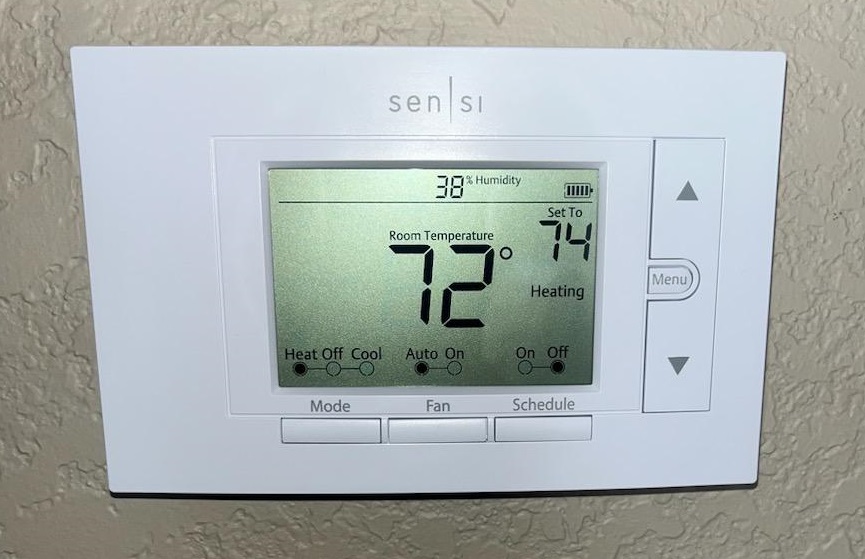
Use your circulation fan from your furnace or heat pump. If you have duct work in your home, you have a distribution network of supply duct, return ducts, and the main circulation fan (called a blower). Move the dial or switch on your thermostat from “auto” to “on” to turn on the allow the circulation fan to operate independently of the heating or cooling. Chances are some rooms will be warmer or cooler depending on depending on the number of guests present, so this method will help even out temperatures better.
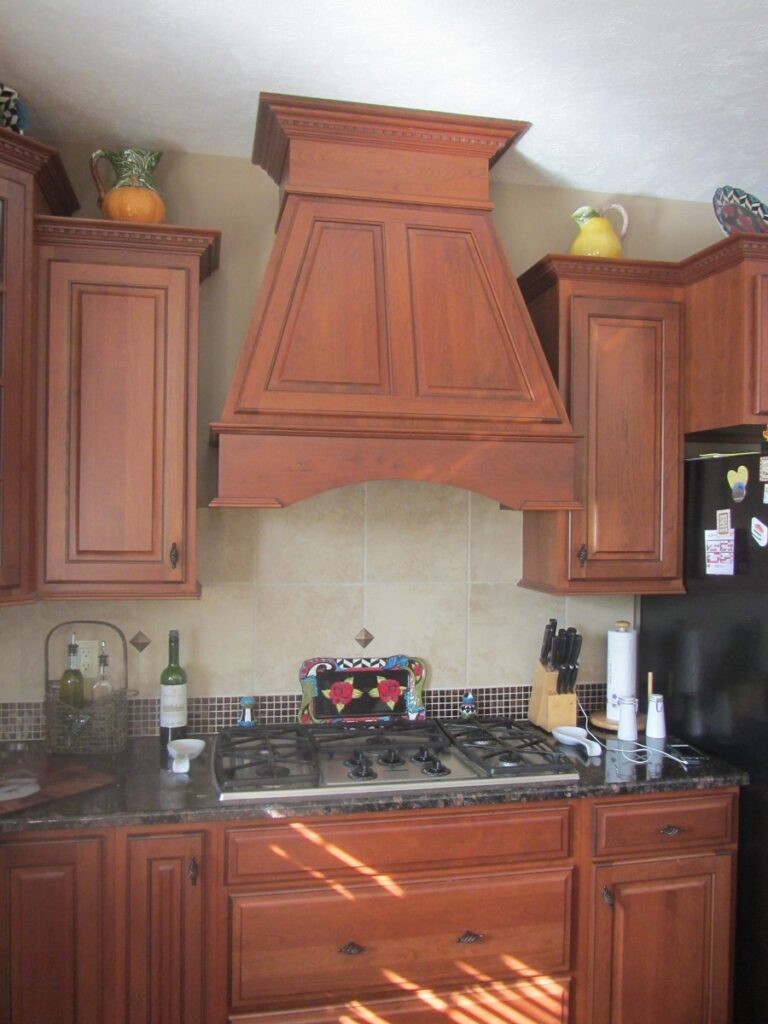
Ventilate the kitchen! Turn on the exhaust fan, open a window, or both! This is a very important step for the air quality of the home. Studies have shown the simple act of cooking is the single largest contributor of contaminants in the indoor air, so this recommendation should happen all year. When you run your kitchen EXHAUST fan, you are helping to remove excess heat, excess moisture, carbon monoxide (if cooking with gas), and particulates from cooking food. Consider how restaurants constantly run ventilation fans in their kitchens; it’s the same concept applied to homes.
Note: many kitchen range hood fans are sadly NOT set up to exhaust contaminants to the outdoors. If your fan is only a recirculation range hood, you’ll need to open a window to help dilute the pollutants in the air. Not sure if your fan is exhausted? There are many variations on the market, so it’s not always obvious. Turn on the fan and use your hand to feel for air coming out of the top. Or looking inside the cabinet above the range hood where you may see a round or rectangular piping going up through the cabinet. Some fans do directly out the exterior wall behind the range hood while others are designed as a “down-flow” that pipe down the oven and out and exterior wall.
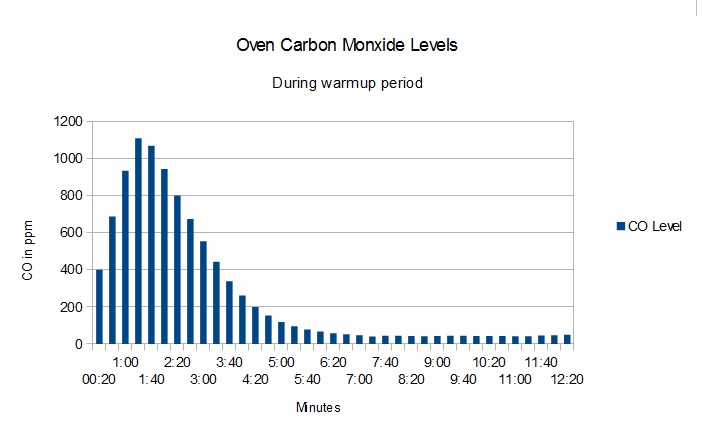
Check your carbon monoxide (CO) alarm. Do you have a carbon monoxide alarm on each level of the home? Is the alarm older than 5 to 7 years and needing replaced? The sensors get less effective over time, so this is good to check. Have the batteries been replaced in the last 6 months? Give the test button a push to make sure the battery is still active. The levels of carbon monoxide emitted from a gas stove and gas oven can be startlingly high! During energy audits, we test gas fueled furnaces, boilers, water heaters, and ovens during our inspections to make sure they are running safely. Of all the appliances we have tested over the years, we have repeatedly found that gas ovens emits the MOST amount of carbon monoxide – even more than the furnace and boiler! Furnaces and boilers are always designed to vent out a chimney or exhaust pipe. That’s not just code; it’s basic common sense. Yet often we don’t provide a ventilation fan for the kitchen. So, we turn on the oven and just let it pour into the home. That’s not good to breathe. While we all know that high levels of carbon monoxide (CO) can be fatal, exposure to low levels of carbon monoxide can give you headaches, cause fatigue, and even make you feel nauseous. Turn on the exhaust fan and/or open a window.
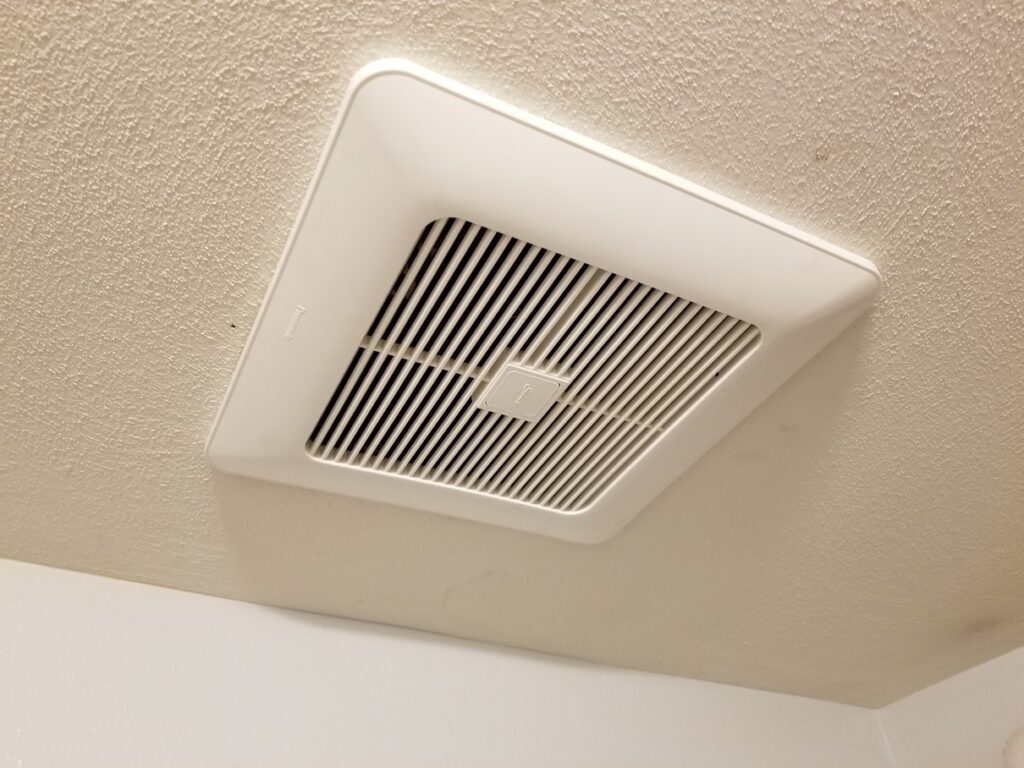
Ventilate the house. Ever notice the condensation that forms on your windows during the winter get together? That’s not usually the window’s fault! That’s the moisture we all give off naturally through perspiration and exhalations. The more people present, the more humidity is added to the home. Turn on the bath exhaust fans and just let them run during the party. Crack open some windows as well.
The amount of people in the house can also increase the amount of carbon dioxide (CO2). CO2 should not be confused with CO, but knowing the levels of both can tell a lot about the indoor air quality of the home. If levels of CO2 are high enough, they can cause fatigue and mental fog but generally are indicative of the quality of the indoor air. If CO2 levels are high, that usually means a lot of people are present which means more dust particles and viruses that can be in the air. A low-cost CO2 monitor or indoor air quality monitor can tell how a lot about your indoor air and the need to open windows to provide ventilation. You may also have a “whole house ventilation” system installed in your home that provide a minimal amount of ventilation. These systems can be as simple as a bath exhaust fan that runs continuously, a fresh air pipe from outdoors feeding into your duct work, an energy recovery ventilator, or a heat recovery ventilator. If you have one of these systems installed, you may want to temporarily increase their ventilation rates during your holiday get together.
Run an air cleaner. There are a number of air cleaners that can be installed in your home to help pull contaminants out of the indoor air. Some are portable and can be placed in any room of the house while others may be installed in the duct system of your heating & cooling system. There are a lot of technologies and brands to consider, but we recommend making sure your chosen air cleaner / air purifier is using the most proven technology of all – the HEPA filter which can remove 99.95% of particles in the air. Learn more about purchasing a portable air cleaner from our the experts and researchers at the Clean Air Crew.
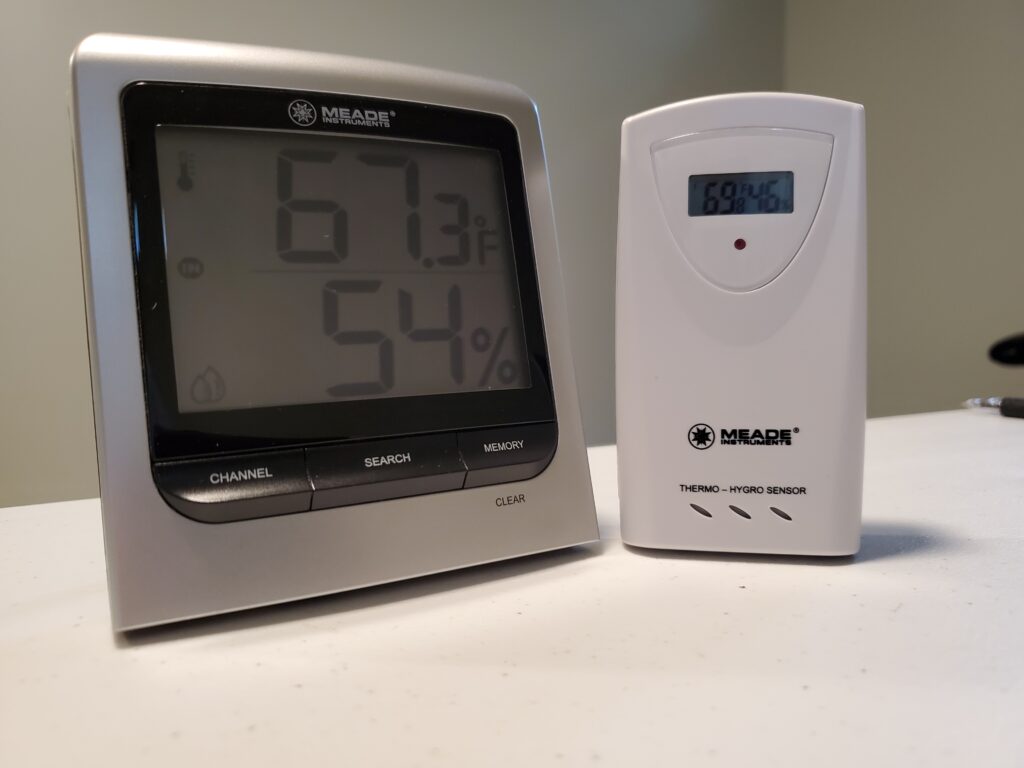
Monitor humidity. The amount of humidity in the air can tell you a lot about the quality of your indoor air. Generally, your indoor humidity is too high if it is above 60% and too low if it is below 30%. Controlling the amount of humidity can be as simple as running exhaust fans or dehumidifiers but may be more complicated such as needing to solve water leaks or installing vapor barriers. We cover water and moisture management during energy audits. If you are having trouble controlling the relative humidity in your home, give us a call! We can help.
Give us a call! These topics are near and dear to our hearts and are common conversations during energy audits. We are happy to talk about lowering your energy bills, improve comfort, and improve the indoor air quality of your home. Schedule your energy audit today at (309)645-2557.