An energy audit is an inspection of your home or facility that uses building science to analyze many factors that affect the energy use, safety, and occupant comfort. The findings can help you determine the best way to solve problems including:
If any of these problems resonate with you, it’s time for an energy audit. Midwest Building Performance offers solutions to help you make smart, cost-effective decisions that will last the life of the building.
Our certified professionals use building science principles and special equipment including a blower door, thermal imaging camera, and other diagnostic equipment to evaluate various aspects of the interior and exterior of your home or building, including:
You will receive a comprehensive report within 5 business days following the audit that contains the details you need to make strategic decisions. Your recommendations are prioritized with safety, efficiency, and cost effectiveness in mind. This report will help you with things like:
For example,
Make Your Home & Building More Comfortable, Safe, Healthy, and Energy Efficient! Call (309) 645-2557 to schedule your energy audit.
It’s up to you! You are welcome to join us during the audit or stop us at any time to ask questions. At a minimum, we recommend being there at the beginning to answers some questions and give us a brief tour of the building, and we recommend being there at the end to get a verbal summary.
Our goal is to provide your written report within 5 business days of the energy audit.
We certainly can! Some of our clients prefer to use us a a third-party inspection service, while others prefer if we oversee the work being done on the project. So, we are happy to help you in a way that makes the most sense. See our “Performance Contracting” page for more information.
HVAC PERFORMANCE TESTING
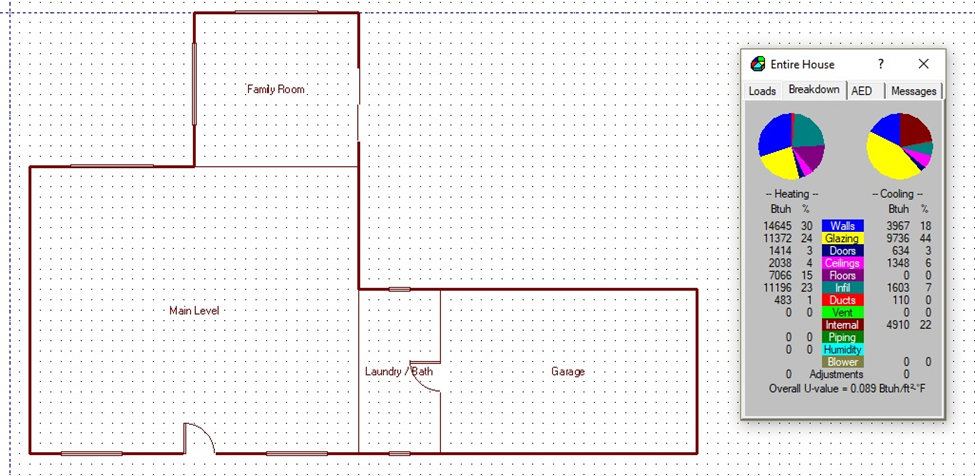
HVAC Load Calculations: When we evaluate homes, we want to know if the heating and cooling systems are properly sized for the needs of the home. We will gather data from the home and enter it into an ACCA Manual J approved software to determine what the size of the systems should be and then compare that to what systems are actually installed. Systems may be over-sized, under-sized, or right-sized. Incorrect sizing can lead to excessive energy usage, premature equipment failure, and comfort complaints from uneven temperatures in the home. The data we collect about the home that provide accurate calculations include total square footage, ceiling heights, orientation of the home to the sun, number of occupants, window styles, attic insulation, wall insulation, and even the overall building tightness as measured by a blower door.
TOTAL SYSTEM AIR FLOW TESTING
STATIC PRESSURE TESTS
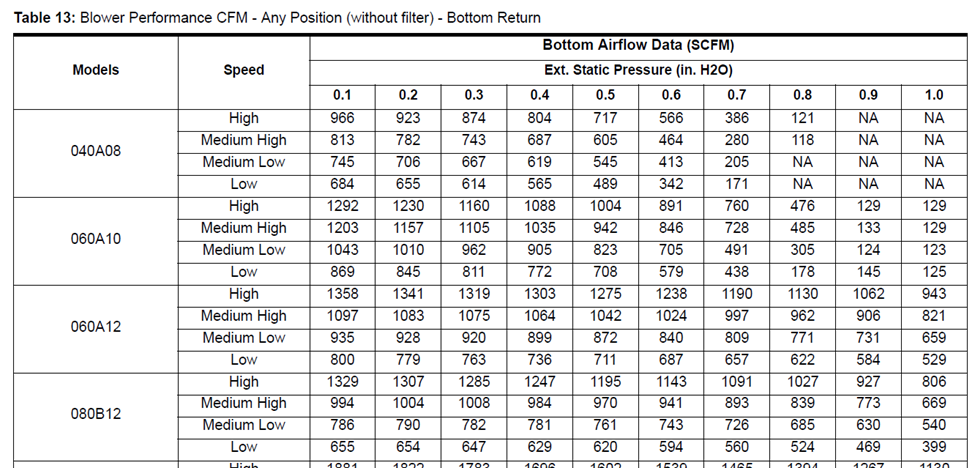
When paying a visit to the doctor, the nurse typically gets your vitals such as blood pressure. We do the same thing with duct systems. Measuring static pressure at key locations in the ductwork is a great way to understand why a system isn’t performing the way it should. A typical forced-air furnace is designed for .5 iwc, but what happens when the design of the system is higher than that? Our consultants can take measurements at different points of air flow to answer several questions.
TEMPERATURE RISE / TEMPERATURE DROP MEASUREMENTS
When the doctor’s office takes your temperature, they want to know if it’s too high to low. We also want to know if the airflow through your system has air temperatures that are in the proper range. We will measure the temperature rise (for heating systems) and the temperature drop (for cooling systems) and compare the results to manufacturer’s specifications.
ZONE PRESSURE DIAGNOSTICS
With the air handler running or the blower door operating, our consultants can perform zone pressure diagnostics to determine the cause of comfort problems that may exist with air leakage or an imbalance of supply and return air flow. A room may be getting over-pressurized due to high airflow or lack of a return pathway. A room may be getting depressurized due to a strong return and a week supply.