
An energy audit is a type of inspection of a building that seeks to answer questions about how best to improve the home or building’s energy efficiency, but it’s also in investigation of how the structure works as a system to deliver energy efficiency, comfort, durability, and health and safety. For this particular home, we were brought in to use our detective skills to determine why both front bedrooms are always so cold in the winter. They were often more than 10 degrees cooler than the rest of the home which left the homeowners understandably frustrated. We were tasked to determine what is wrong and what can be done to remedy the problem.
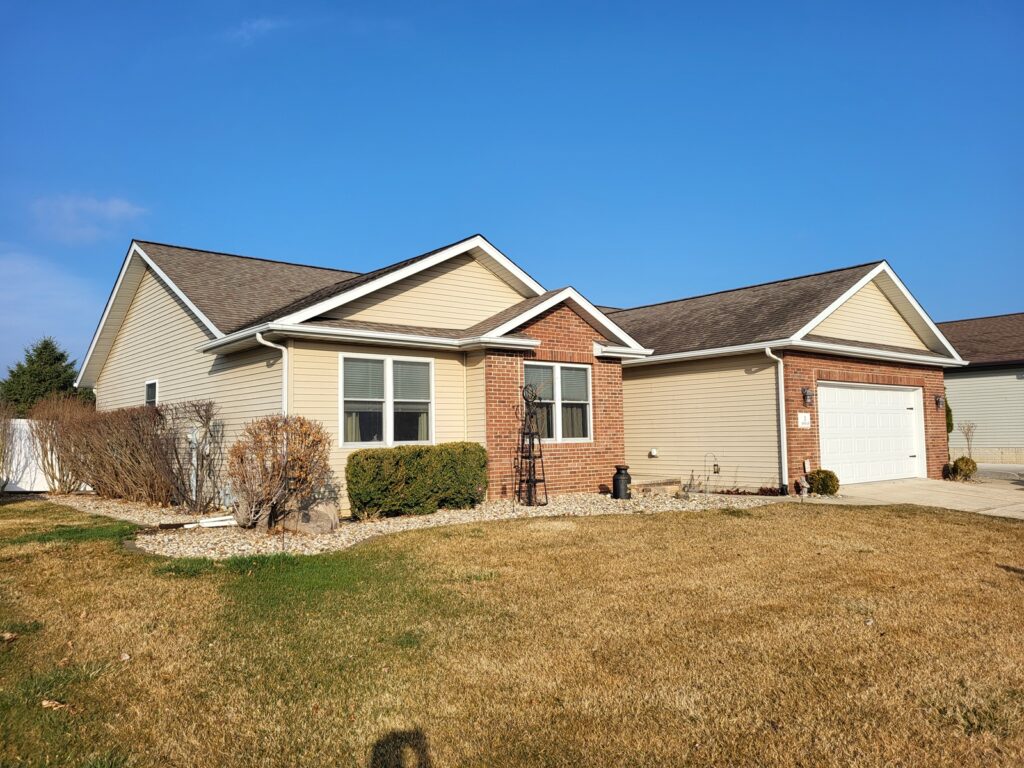
This home was constructed in 2009. This homeowner just purchased it in November 2023. A newer home shouldn’t have too many problems, right? Generally no, but they did get a home inspection. The home inspector used a thermal imaging camera to scan the interior of the home to look for insulation issues. To his credit, he found large sections of the ceilings of these 2 bedrooms were MISSING insulation. So, the new homeowner paid a contractor to come in to correct the issue and moved on with life. All is good, right? Not so much.
The homeowner found the 2 front bedrooms were STILL very cold. So, they brought in their heating and cooling contractor thinking it must be related the furnace or the attached ductwork. The HVAC contractor looked over the system, measured airflow at the supplies and returns in those rooms, looked at the thermostat, and didn’t find anything amiss. He then suggested calling us to get an energy audit so we can use our diagnostic tools to get down to the root cause of the problem.
We came in to do a targeted energy audit to focus on the core problem at hand – why the bedrooms were cold in the winter. There were a lot of questions to answer. Were the walls insulated? Is there something wrong with the windows? Is there something wrong with the insulation in the basement under the room? Are the rooms particularly drafty (meaning no air sealing work was performed)? Is there something about orientation to the sun or being subjected to high wind loads? Is the furnace working properly? How is the air flow through the system when the furnace is running? How is the air flow to each of these rooms? Are there dampers in the branch ducts closed? Is there something wrong with the location of the main thermostat? There were lots of questions to ask, but the answer became obvious very quickly. What did we find?
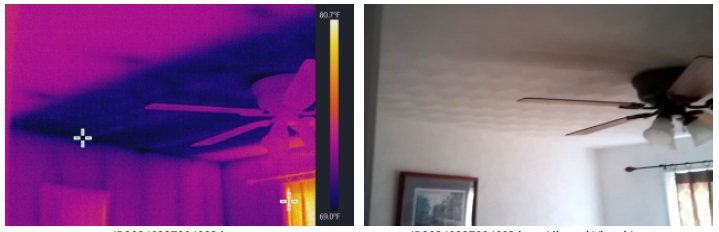
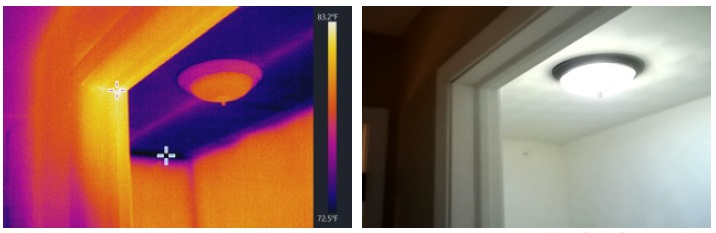
We found there were large sections of the ceilings of these 2 bedrooms completely missing insulation. There is also a ceiling of the laundry room completely bare of insulation. Wait, what? Wasn’t that what the home inspector found? Yep. Didn’t a contractor come in and insulate those ceilings? Yep. The homeowner paid $1400 for this contractor to correct the problems, and they clearly and unequivocally did not. What were they doing in the attic? Hard to say. My guess is they just added another layer of insulation to what was already there.
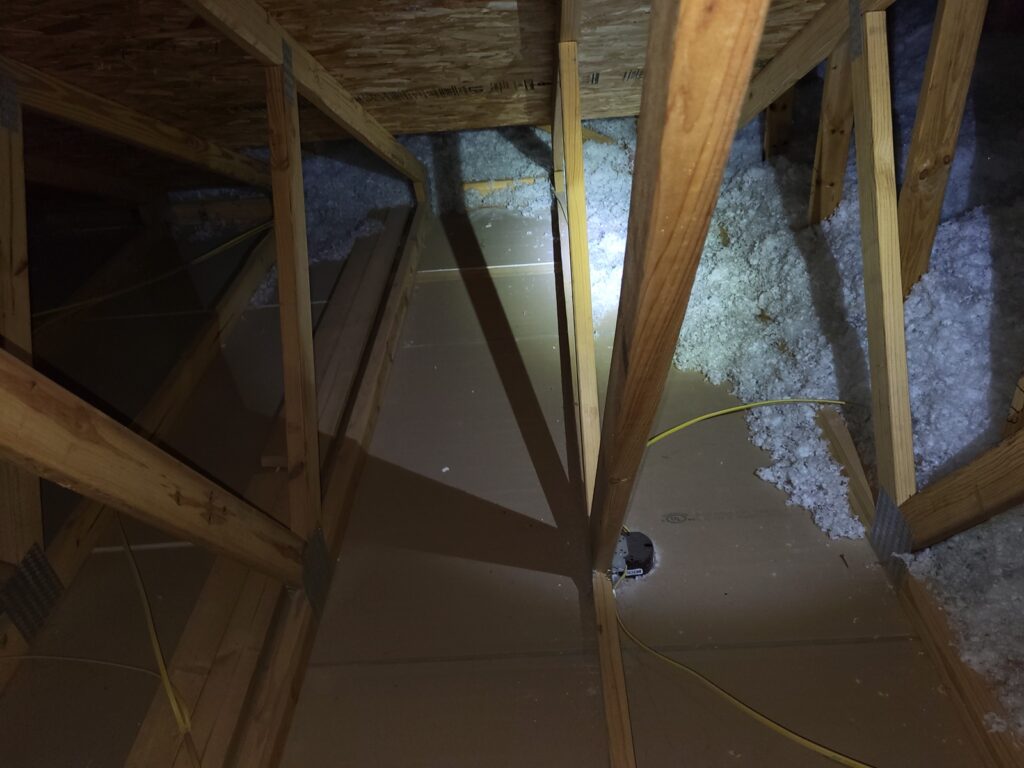
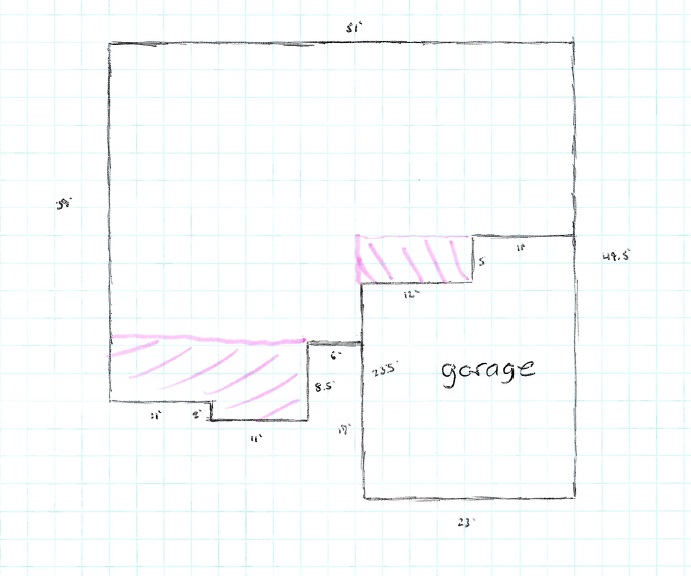
Who is at fault for all of this? The original builder? The original insulation company? The new insulation company? Clearly all of the above. While this should never have happened during the new construction phase, it’s not hard to see why it happened. The front of the house has gable-and-valley roof design. The very front has a gable facing the East that intersects with the main gable room that runs North and South. From inside the main attic, there was never an access hole cut through the roof sheathing to access the attic section of the front gable over the 2 bedrooms in question. So, it would not have been obvious to the original insulation crew that were was another section of ceiling.

The bare laundry room ceiling should certainly have been insulated as it was directly adjacent to the garage attic access hole. They blew insulation in as if the garage was a simple rectangle, so there is a just a straight line of insulation between the house attic and the garage attic. However, the laundry room bumps into the garage several feet, so there was more ceiling to insulate. It appears the installers weren’t paying enough attention to the geometry of the floor plan otherwise this would not have been missed.
What went wrong with the most recent contractor? It’s difficult to say. Did they make the same mistakes as the original crews? Did the person who sold the job communicate to their crew? Did the installer understand what they problem they were solving?
At the end of the day, the insulation installers need to understand the geometry of the home when they are doing this work. It’s not uncommon to need to gain access to areas of attics that are not accessible. You might cut in an access from one attic to another attic, or you may even install a new access from the interior. An insulation contractor does a lot more work than just a “blow-and-go” contractor, and this case is certainly one of those examples where they have to think through the complexities of the work.
Want to hire a quality crew dedicated to solving problems and preventing future problems? Give us a call. Our work starts with the energy audit to define the proper scope of work so that we get the right work the first time. We are happy to help!